.png)


The Whiskey Experience at Prime Met Steakhouse
- Apr 14
- 3 min read
Updated: Apr 15


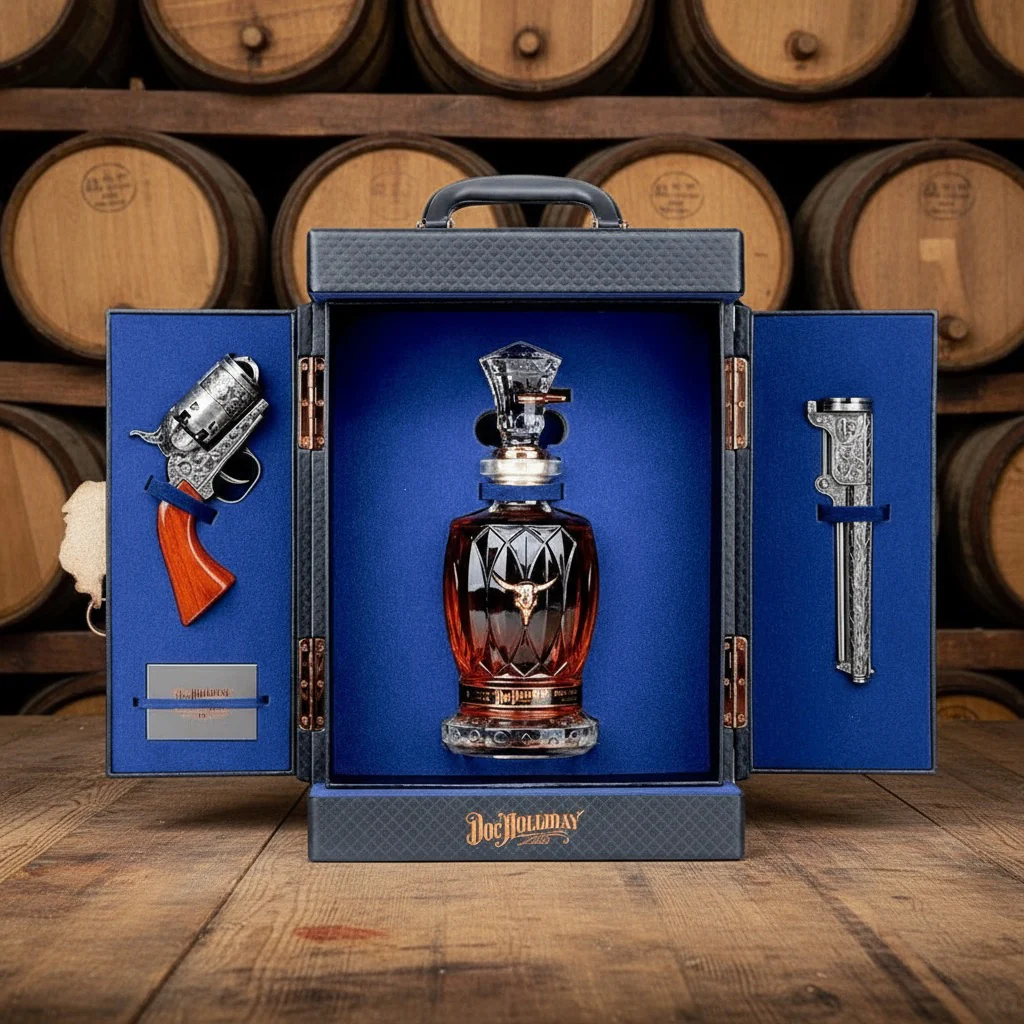

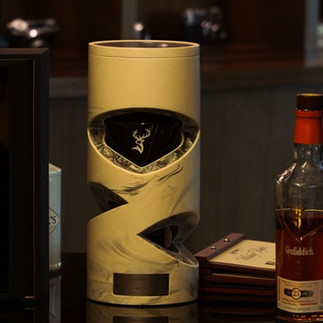


Whiskey traces its roots back over 1,000 years to early distillation practices in Ireland and Scotland. Monks were among the first to refine the art, originally using it for medicinal purposes. The term itself comes from the Gaelic uisce beatha—“water of life.”
As distillation spread, regions began shaping their own styles:
Irish Whiskey: Typically triple-distilled for a smoother, lighter profile
Scotch Whisky: Often smoky, thanks to peat-fired malting
American Bourbon: Sweeter, fuller-bodied, aged in new charred oak barrels
Rye Whiskey: Spicier, drier, with bold character

Hibiki Whisky from Suntory
Japanese whiskey is a relative newcomer—but one that has quickly risen to global prestige. Inspired by Scotch traditions in the early 20th century, Japan refined the craft with its own philosophy: precision, balance, and harmony.
Distilleries like Suntory and Nikka Whisky helped shape the category, producing expressions known for their elegance and subtle complexity.
What sets Japanese whiskey apart:
Meticulous Blending: Layers of delicate flavors—from floral and fruit to soft smoke
Unique Aging Conditions: Japan’s climate creates dynamic maturation cycles
Specialized Barrels: Including rare Japanese oak (Mizunara), adding notes of sandalwood, spice, and incense
Today, Japanese whiskey is among the most sought-after in the world—often released in extremely limited quantities and prized by collectors.

Not all whiskey is created equal—and the difference between a standard pour and a high-end expression comes down to a few critical factors:
1. Time in the Barrel
A basic whiskey may age for just a few years, while premium expressions often rest for 10, 15, 20+ years. Some of the world’s most revered bottles have matured for decades, developing remarkable depth, smoothness, and complexity over time.
2. Barrel Quality & Craftsmanship
High-end whiskey often uses carefully selected oak barrels—sometimes previously used for sherry, port, or wine—to impart layered flavors like dried fruit, spice, caramel, and smoke. In Japanese whiskey, rare Mizunara oak can introduce uniquely refined, aromatic notes.
3. Rarity & Allocation
Certain bottles are allocated, meaning they are released in extremely limited quantities. These highly coveted expressions are often difficult to obtain—even for top-tier establishments—and are typically reserved for those seeking something truly exceptional.
4. Distillation & Ingredients
Premium whiskeys pay meticulous attention to grain selection, water source, and distillation technique. Small-batch, single-barrel, and carefully blended releases ensure that no two experiences are exactly alike.

Why Great Whiskey Takes Time — The PRIME Met Philosophy
Whiskey is not rushed—it’s earned over time. As it ages in oak barrels, it slowly transforms through its interaction with the wood, the surrounding air, and seasonal temperature shifts. What begins as a sharp, raw spirit gradually softens, developing layers of complexity—notes of vanilla, oak, spice, leather, dried fruit, and even dark chocolate.
But time comes at a cost. Each year, a portion evaporates—known as the “angel’s share.”
Barrels must be carefully stored and monitored, often for decades, with no guarantee of perfection. In fact, only a small percentage of barrels ever reach true top-tier quality. That’s what makes aged and allocated whiskeys so rare—and so highly sought after.
At Prime met Steakhouse, this philosophy of patience and craftsmanship is reflected in every bottle we select. Our program brings together the depth of Scotch, the bold character of American bourbon, and the refined elegance of Japanese whisky—ranging from approachable pours to rare, limited allocations. Prime Met Steakhouse: Address: Renaissance New York Flushing Hotel at Tangram
12th Floor, 133-36 37th Ave, Flushing, NY 11354
Contact: (718) 898-6666
Reservations: Opentable
Comments